Buying a Used Electric Vehicle: Battery Health and What to Check
The One Question That Matters More Than Anything Else
Shopping for a used gas car and a used EV share a lot of overlap – inspection, history reports, negotiation – but EVs introduce one entirely new variable that dominates everything else: battery health. A used EV with a strong battery is a genuinely great purchase; the same model with a significantly degraded battery can mean disappointing range and an expensive eventual replacement. Everything else in this guide matters, but this is the question to get right first.
Table of Contents
- Understanding Battery Health and Degradation
- Battery Warranty Coverage on Used EVs
- Real-World Range vs Advertised Range
- Why Charging History and Habits Matter
- Checking Your Own Charging Access Before Buying
- How EV Maintenance Differs From Gas Vehicles
- Used EV Incentives and Tax Credits
- EV-Specific Inspection Points
- Expert Tips
- Common Mistakes
- Frequently Asked Questions
Understanding Battery Health and Degradation
EV batteries gradually lose a small amount of their original capacity over time and charge cycles, similar in principle to a phone battery but on a much larger scale and generally at a slower rate. This is normal and expected; the question is how much degradation has occurred on the specific vehicle you’re considering. Many EVs can display a state-of-health percentage or estimated remaining capacity through their onboard system or a diagnostic tool, and this figure matters more than the odometer reading when assessing a used EV’s real value.
Battery Warranty Coverage on Used EVs
Most manufacturers offer extended battery warranties, often covering a set number of years or miles, separate from the vehicle’s general warranty, and these typically transfer to subsequent owners. Confirm exactly how much of this coverage remains on any used EV you’re considering, since a vehicle still well within its battery warranty period offers meaningful protection against the cost of significant future degradation or a covered replacement.
Real-World Range vs Advertised Range
Advertised range figures are measured under specific test conditions that don’t always reflect real-world driving, particularly in cold weather, at highway speeds, or with heavy use of climate control. It’s worth researching real-world range reports for the specific model and asking the seller about typical range they’ve experienced, rather than relying solely on the original advertised figure, especially for an older vehicle with some degree of expected degradation.
Why Charging History and Habits Matter
Frequent fast charging and consistently charging to 100% can accelerate battery degradation more than a mix of charging habits that keeps the battery within a more moderate range most of the time. Asking a seller about their typical charging habits – home charging versus frequent public fast charging – gives useful context alongside a direct battery health reading, though the health reading itself remains the more objective and important data point.
Checking Your Own Charging Access Before Buying
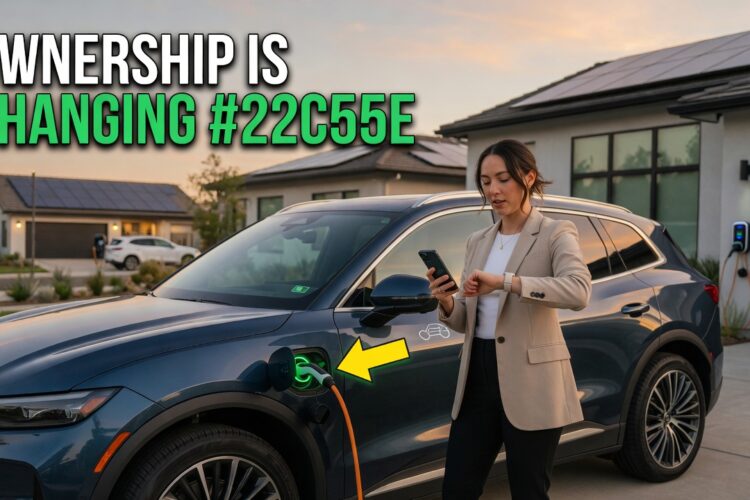
Before buying any EV, confirm what charging access you’ll realistically have – home charging capability, nearby public charging density, and whether your daily driving pattern fits comfortably within the vehicle’s real-world range between charges. A fantastic used EV deal is a poor fit if your living situation doesn’t support convenient charging, so this practical check belongs early in the process, not as an afterthought.
How EV Maintenance Differs From Gas Vehicles
EVs eliminate many traditional maintenance items – no oil changes, far fewer moving parts in the drivetrain, and typically less frequent brake wear due to regenerative braking. This generally means lower routine maintenance costs over time, though tires, cabin filters, and occasional software updates still apply, and any specialized repair needs may require a technician trained specifically on EV systems.
Used EV Incentives and Tax Credits
Some regions offer tax credits or incentives specifically for used EV purchases, separate from new vehicle incentives, though eligibility rules around vehicle age, price cap, and buyer income can be specific and change over time. It’s worth checking current local and national incentive programs before finalizing a purchase, since this can meaningfully affect the vehicle’s real cost.
EV-Specific Inspection Points
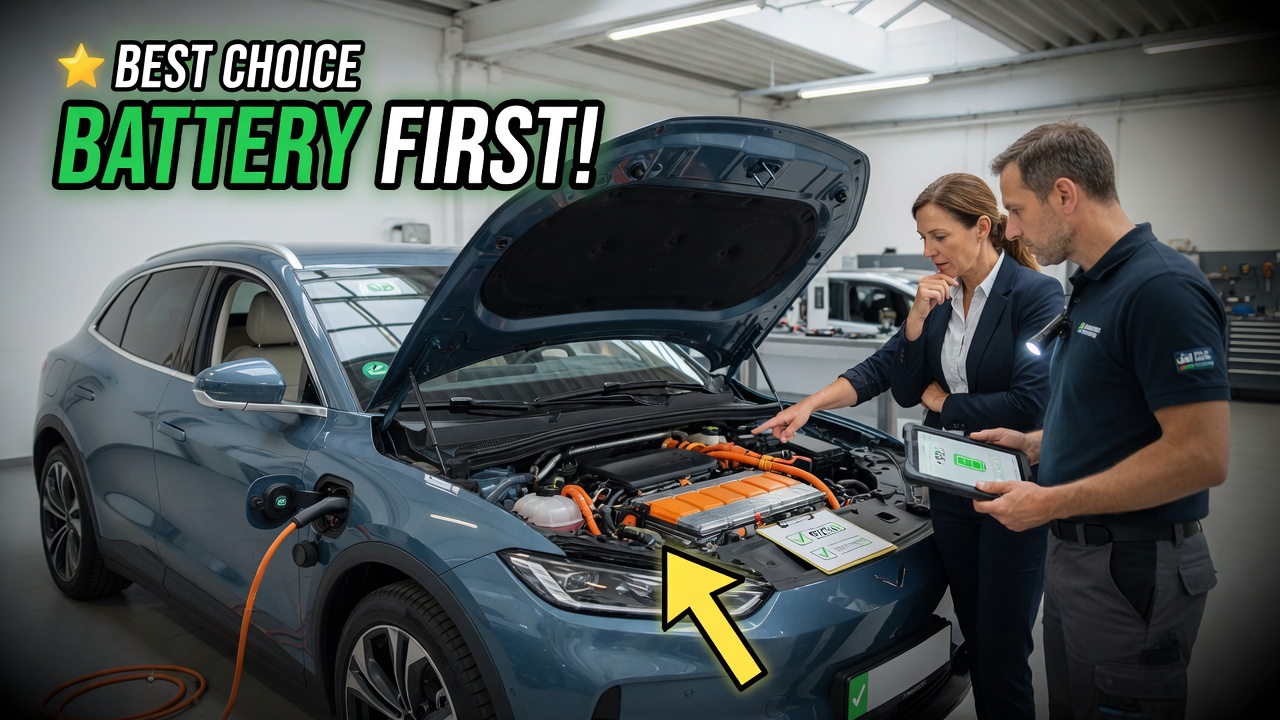
Beyond a standard inspection, ask specifically for a battery health report or have one performed as part of the pre-purchase inspection. Check the condition of the charging port, test the onboard charging system if possible, and review any stored diagnostic codes related to the battery or drivetrain systems, which can reveal issues not obvious during a short test drive.
Expert Tips
- Always request a battery health or state-of-health reading before finalizing a used EV purchase – treat this as non-negotiable, similar to an engine inspection on a gas vehicle.
- Check remaining battery warranty coverage specifically, not just the vehicle’s general warranty status.
- Research real-world range reports for the exact model and model year rather than relying only on the original advertised figure.
- Confirm your own charging access and typical driving pattern fit comfortably within the vehicle’s realistic range before committing.
Common Mistakes
- Skipping the battery health check entirely, treating a used EV like an ordinary used car inspection.
- Relying on advertised range figures without researching real-world performance for that specific model and age.
- Not checking remaining battery warranty coverage, missing a significant factor in the vehicle’s real value.
- Buying without confirming realistic charging access for daily use.
- Assuming EV maintenance is identical to gas vehicle maintenance and missing EV-specific inspection points.
Frequently Asked Questions
How do I check the battery health of a used EV?
Many EVs display a state-of-health estimate through the onboard system, or a specialized diagnostic tool can provide a more precise reading during a pre-purchase inspection.
Is battery degradation normal on a used EV?
Yes, some gradual capacity loss over time and charge cycles is expected and normal; the key question is how much degradation has occurred relative to the vehicle’s age and mileage.
Does the battery warranty transfer to a used buyer?
In most cases yes, battery warranties typically transfer to subsequent owners, though it’s worth confirming the specific terms and remaining coverage for the vehicle you’re considering.
How much does it cost to replace an EV battery?
Costs vary significantly by manufacturer and battery size, and can be a meaningful expense outside of warranty coverage, which is exactly why confirming remaining warranty status matters so much.
Is a used EV cheaper to maintain than a gas car?
Generally yes, due to fewer moving parts and less frequent brake wear, though tires and occasional specialized repairs still apply.
Does cold weather affect a used EV’s range?
Yes, cold temperatures typically reduce real-world range compared to advertised figures, which is worth factoring in if you live in a colder climate.
Are used EV tax credits available?
Some regions offer them, though eligibility rules around price, age, and buyer income vary and can change, so check current programs before finalizing a purchase.
Should I buy a used EV if I can’t charge at home?
It’s possible with reliable nearby public charging, but it’s worth honestly assessing whether that access fits your daily routine before committing to the purchase.
Does frequent fast charging damage an EV battery faster?
It can contribute to somewhat faster degradation compared to more moderate charging habits, though modern battery management systems are designed to mitigate much of this impact.
What’s the most important thing to check on a used EV?
Battery health and remaining warranty coverage, more than any other single factor, since they directly determine the vehicle’s real-world range and future repair risk.
Summary
Buying a used EV shares most fundamentals with any used car purchase, with one critical addition: battery health. Checking the state-of-health reading, remaining warranty coverage, and realistic range for your climate and driving pattern should come before anything else in the decision.
Final Thoughts
A well-maintained used EV with a healthy battery can be one of the smartest purchases in today’s used car market – lower running costs, fewer moving parts, and often strong performance. The buyers who get burned are almost always the ones who skipped the one check that actually matters most.
Ready to explore used EV listings? Browse used cars on Car Hub, or create a free account to save and compare EV options.