Car Insurance for Used Vehicles: What You Need to Know
Why Two Similar-Looking Used Cars Can Have Very Different Premiums
It surprises a lot of buyers to learn that two cars from the same year, roughly the same price, can carry noticeably different insurance costs. Insurers don’t just look at the car’s value – they weigh safety ratings, repair cost history, theft rates for that specific model, and even engine size. A buyer who skips checking insurance until after the purchase can end up with a monthly premium that changes the entire math of the deal.
This guide walks through what actually drives used car insurance costs, how coverage decisions should shift compared to a new vehicle, and how to avoid the common gaps that leave used car owners underinsured.
Table of Contents
- What Determines Your Used Car Insurance Premium
- Liability vs Collision vs Comprehensive
- How Insurers Value an Older Car
- When to Drop Full Coverage
- Getting a Quote Before You Buy
- Financed Cars and Lender Insurance Requirements
- Discounts Worth Asking About
- Expert Tips
- Common Mistakes
- Frequently Asked Questions
What Determines Your Used Car Insurance Premium
Insurers price a policy based on a combination of the vehicle and the driver. On the vehicle side, they weigh the car’s safety rating, historical claim frequency for that model, typical repair costs, engine size and performance, and theft rates in your area for that specific make and model. On the driver side, your driving record, claims history, age, location, and even credit-based insurance scores in regions where that’s permitted all factor in.
This is why it’s worth getting a real quote for the exact vehicle you’re considering rather than assuming all similarly priced used cars will cost about the same to insure. A sportier trim of an otherwise ordinary sedan, for example, can carry a meaningfully higher premium due to performance and theft-rate factors alone.
Liability vs Collision vs Comprehensive
Liability coverage pays for damage or injury you cause to others and is legally required in most places to drive at all. Collision coverage pays to repair or replace your own car after an accident, regardless of fault. Comprehensive coverage handles non-collision events – theft, vandalism, weather damage, or hitting an animal.
For a used car, especially an older or lower-value one, the calculation around whether collision and comprehensive are worth carrying changes meaningfully compared to a newer vehicle, since the payout ceiling is tied to the car’s actual cash value, not what you might feel it’s worth to you personally.
How Insurers Value an Older Car
If your used car is totaled or stolen, comprehensive and collision claims pay out based on actual cash value – what the car was worth in the market immediately before the loss, factoring in depreciation, mileage, and condition. This can be considerably less than what you originally paid, particularly a few years into ownership, which is an important reality check when deciding how much coverage still makes financial sense.
When to Drop Full Coverage
A useful rule of thumb: if the annual cost of collision and comprehensive coverage combined starts approaching 10% of the car’s actual cash value, it’s worth seriously evaluating whether to drop full coverage and carry liability only, assuming you could comfortably absorb the cost of replacing the car out of pocket if needed. This isn’t a decision to make casually, but for older, lower-value used cars, it’s a genuinely common and often financially sound choice.
Financed Cars Are the Exception
If you’re still financing the vehicle, your lender will almost certainly require full coverage for the life of the loan, regardless of the car’s age or value, since they have a financial interest in the collateral until it’s paid off.
Getting a Quote Before You Buy
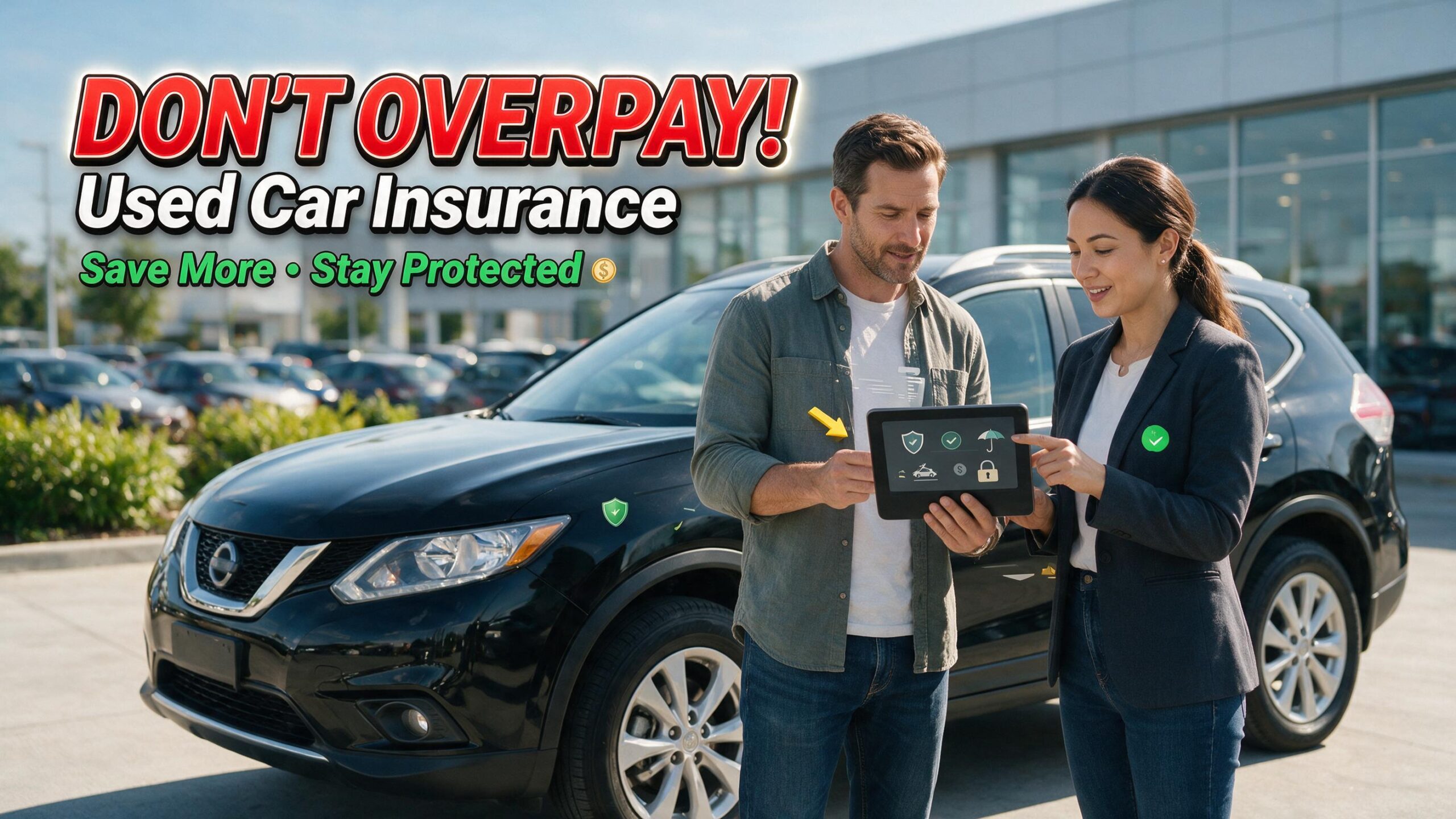
Before finalizing a purchase, get an actual insurance quote using the specific VIN or at minimum the exact year, make, model, and trim. This single step can reveal a meaningful cost difference between two cars you’re comparing, and it should factor into your overall budget the same way financing terms do, since insurance is a recurring cost for as long as you own the vehicle.
Financed Cars and Lender Insurance Requirements
Lenders typically require proof of full coverage insurance, with themselves listed as a loss payee, before they’ll release funds or allow you to take possession of a financed vehicle. Driving off without this in place – even briefly – can violate your loan agreement and leaves both you and the lender exposed if something happens to the car.
Discounts Worth Asking About
Many insurers offer discounts for bundling auto and home or renters insurance, maintaining a clean driving record over time, completing defensive driving courses, or installing anti-theft devices. It’s worth asking specifically about each of these when getting quotes, since discounts aren’t always applied automatically and can meaningfully reduce your premium when combined.
Expert Tips
- Get quotes from at least three insurers for the exact vehicle before committing to a purchase, since pricing can vary more than buyers expect between providers.
- Ask specifically how the model you’re considering ranks for theft rate and claim frequency – this can meaningfully shift the quote.
- Revisit your coverage choice annually as the car’s value declines, rather than leaving the same policy in place indefinitely.
- If financing, confirm your lender’s specific minimum coverage requirements before shopping for a policy, so you don’t end up under-covered by their standards.
Common Mistakes
- Buying a car before checking insurance costs, only to find the premium changes the deal’s overall value.
- Keeping full coverage indefinitely on an older car well past the point it makes financial sense.
- Letting insurance lapse briefly between selling one car and buying the next, which can affect future rates.
- Not asking about available discounts, which often aren’t applied automatically.
- Ignoring lender insurance requirements on a financed vehicle, risking a loan agreement violation.
Frequently Asked Questions
Is used car insurance always cheaper than new car insurance?
Generally yes, since claim payouts are tied to a lower vehicle value, but it’s not guaranteed – safety features, repair costs, and theft rates can shift this in either direction.
Do I need full coverage on a used car?
Only if you’re financing (where it’s typically required) or if you’d rather not absorb the full replacement cost out of pocket in the event of a total loss.
How is the payout calculated if my used car is totaled?
Insurers pay based on the car’s actual cash value at the time of loss, factoring in age, mileage, and condition, not what you originally paid for it.
Can I insure a car before I officially own it?
You typically need to have purchased or be in the process of purchasing the vehicle to add it to a policy, though many insurers can bind coverage quickly on the day of sale.
Does a car’s color affect insurance premiums?
No, this is a common myth. Insurers price based on make, model, trim, safety features, and risk factors, not paint color.
Will my insurance go up if I finance instead of paying cash?
Not directly, though financing typically requires full coverage rather than liability-only, which does increase your premium compared to a liability-only policy.
How do I find the cheapest insurance for a used car?
Compare quotes from multiple insurers using the exact vehicle details, ask about all available discounts, and periodically reassess your coverage level as the car depreciates.
Does a clean driving record matter more than the car itself?
Both matter significantly. A clean record helps on the driver side of the equation, but the vehicle’s specific risk profile still meaningfully shapes the final premium.
What happens if I let insurance lapse on a used car?
Beyond the legal risk of driving uninsured, a lapse can increase future premiums, since insurers often view continuous coverage history favorably.
Should I insure a used car the same day I buy it?
Yes, ideally coverage should be active before you drive the car home, since driving uninsured is illegal in most places and leaves you fully exposed to any costs from an incident.
Summary
Used car insurance costs hinge on the specific vehicle’s safety, repair, and theft profile as much as your own driving record. Getting a quote before you buy, choosing the right coverage level for the car’s actual value, and revisiting that choice over time keeps your costs aligned with what the car is really worth.
Final Thoughts
Insurance is one of those costs that’s easy to overlook during the excitement of buying a car, but it’s also one of the easiest to get ahead of with a five-minute quote. A little homework here protects both your budget and your peace of mind.
Comparing vehicles before you buy? Browse listings on Car Hub and get insurance quotes on your shortlist before making a final decision, or create a free account to save cars you’re comparing.