How Online Car Marketplaces Work (And How to Use Them Safely)
The Marketplace Changed, But the Fundamentals Didn’t
Car shopping used to mean scanning newspaper classifieds or driving from lot to lot. Online marketplaces changed the mechanics entirely – searchable inventory, filters by price and mileage, direct messaging with sellers, and often integrated tools like valuation estimates and history reports. What hasn’t changed is the underlying need for due diligence. A platform can reduce risk and save time, but it can’t replace an inspection or a careful read of a seller’s answers.
This guide explains how these marketplaces actually work behind the scenes, what their built-in protections do and don’t cover, and how to use them to your full advantage.
Table of Contents
- How Online Marketplaces Aggregate Listings
- What “Verified Listing” Actually Means
- Using Search Filters and Saved Searches Effectively
- Messaging Sellers Through a Platform
- Built-In Valuation and History Tools
- Spotting Dealer vs Private Listings Online
- What Platform Safety Features Can and Can’t Do
- Expert Tips
- Common Mistakes
- Frequently Asked Questions
How Online Marketplaces Aggregate Listings
Marketplaces pull inventory from multiple sources – dealers uploading stock automatically through their management systems, and individual sellers listing directly. This combination is what gives buyers a single place to compare pricing and selection across both channels, rather than needing to check dealer websites and classifieds separately.
What “Verified Listing” Actually Means
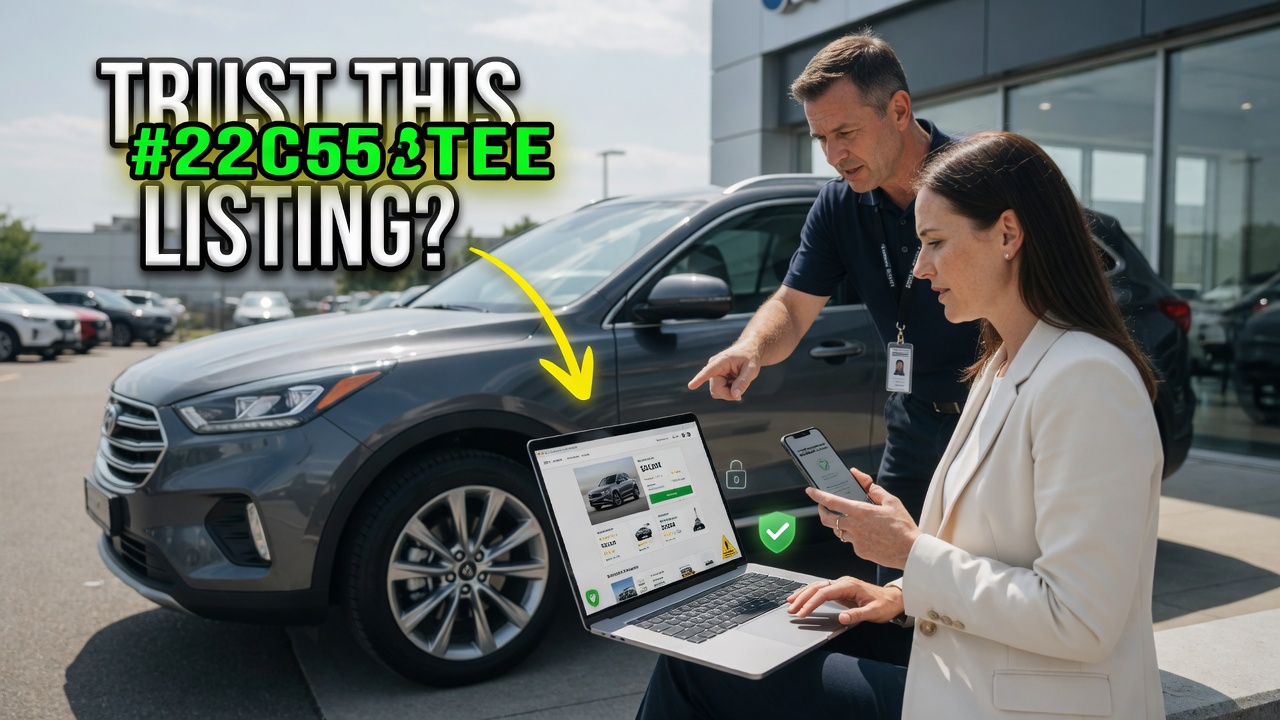
Verification labels vary by platform, but they typically indicate that certain basic checks have been completed – confirming the seller’s identity, cross-referencing the VIN against title and recall databases, or checking that photos are original rather than reused stock images. It’s worth understanding exactly what a specific platform’s verification badge covers, since it’s rarely a full guarantee of the vehicle’s mechanical condition, only of certain listing and identity details.
Using Search Filters and Saved Searches Effectively
Good use of filters – price range, mileage ceiling, specific trim, distance radius – narrows results to genuinely comparable vehicles rather than scrolling through everything. Saving a search and enabling notifications means new matching listings reach you as soon as they’re posted, which matters in competitive markets where well-priced vehicles can sell within days.
Messaging Sellers Through a Platform
Using a platform’s built-in messaging system, rather than moving immediately to a personal phone number or third-party app, keeps a documented record of the conversation, which can be useful if any dispute arises later. It also tends to filter out some lower-effort spam messages that flood open classifieds without any real accountability behind them.
Built-In Valuation and History Tools
Many marketplaces integrate a car valuation guide directly into listings, showing whether a specific asking price sits above, at, or below market value for comparable vehicles. Some also surface vehicle history summaries directly on the listing page. These tools save time, but they’re still worth cross-checking with a full independent history report before you commit to a purchase.
Spotting Dealer vs Private Listings Online
Listings usually indicate whether they’re from a licensed dealer or an individual seller, which matters for what protections and recourse you can expect. Dealer listings typically include a business name and may show multiple vehicles from the same account; private listings usually show a single vehicle tied to an individual profile. If a supposedly private account is listing many vehicles at once, that’s worth treating as a sign the seller may actually be operating as an unlicensed dealer, sometimes called curbstoning.
What Platform Safety Features Can and Can’t Do
Platform safety tools – identity checks, listing verification, secure messaging – meaningfully reduce certain categories of risk, particularly outright fraudulent listings and stolen photos. They can’t verify a car’s true mechanical condition, confirm every detail a seller provides, or replace a physical inspection. Treat these features as a strong first layer of protection, not a substitute for your own due diligence once you’ve found a specific vehicle worth pursuing.
Expert Tips
- Set up saved search alerts for your specific criteria so you’re notified the moment a matching vehicle is listed, rather than checking manually every few days.
- Read seller response times and history where the platform displays them – consistently fast, complete responses are a good signal.
- Use in-platform messaging initially rather than moving to a personal number right away, at least until you’ve had an initial screening conversation.
- Cross-check any built-in valuation estimate against a couple of comparable listings yourself before relying on it entirely.
Common Mistakes
- Assuming a “verified” badge covers mechanical condition, when it typically only reflects identity or listing checks.
- Skipping independent inspection because the platform offers a built-in history summary.
- Moving off-platform too early, losing the documented record that in-app messaging provides.
- Not using saved search alerts in a competitive market, missing well-priced listings that sell quickly.
- Ignoring signs of an individual account listing many vehicles, a common indicator of unlicensed dealer activity.
Frequently Asked Questions
Are online car marketplaces safer than classified ads?
Generally yes, due to added verification tools and structured information, but they don’t eliminate the need for your own inspection and due diligence on any specific vehicle.
What does a “verified listing” badge actually check?
It varies by platform, but typically covers seller identity, VIN and title cross-referencing, and photo authenticity, not the vehicle’s current mechanical condition.
Can I trust a marketplace’s built-in valuation tool?
It’s a useful starting point, generally built from real comparable sales data, though it’s worth cross-checking against a few similar listings yourself for confirmation.
How do I know if a “private seller” account is actually an unlicensed dealer?
Multiple vehicles listed from the same individual account, especially at a similar style and pattern, is a common sign of unlicensed dealer activity, sometimes called curbstoning.
Should I message sellers within the platform or move to text right away?
Starting within the platform’s messaging system creates a useful documented record and is generally recommended, at least for the initial screening conversation.
Do marketplaces check vehicle history automatically?
Some integrate a summary directly into listings, but it’s still worth pulling a full independent history report before finalizing any purchase.
Can I negotiate price through an online marketplace?
Yes, most platforms support direct messaging with sellers, which works the same way negotiation would happen in person or over the phone.
What should I do if a marketplace listing seems too good to be true?
Treat it with caution – compare the price against comparable listings, and never send payment before seeing the vehicle in person and verifying its details.
Are dealer listings and private listings mixed together on marketplaces?
Often yes, though most platforms clearly label which type each listing is, which matters for what protections and recourse to expect after a purchase.
Is it worth setting up saved searches?
Yes, particularly in competitive markets where well-priced vehicles can attract serious offers within days of being listed.
Summary
Online marketplaces streamline used car shopping by aggregating dealer and private listings with useful built-in tools, but their safety features address specific categories of risk, not every category. Independent inspection and verification remain essential regardless of how a listing is labeled.
Final Thoughts
The right marketplace saves you time and widens your options, but it doesn’t replace the fundamentals of a careful purchase. Use the platform’s tools as a head start, not a finish line.
See it in action. Browse the latest listings on Car Hub, or create a free account to save searches and message sellers directly.