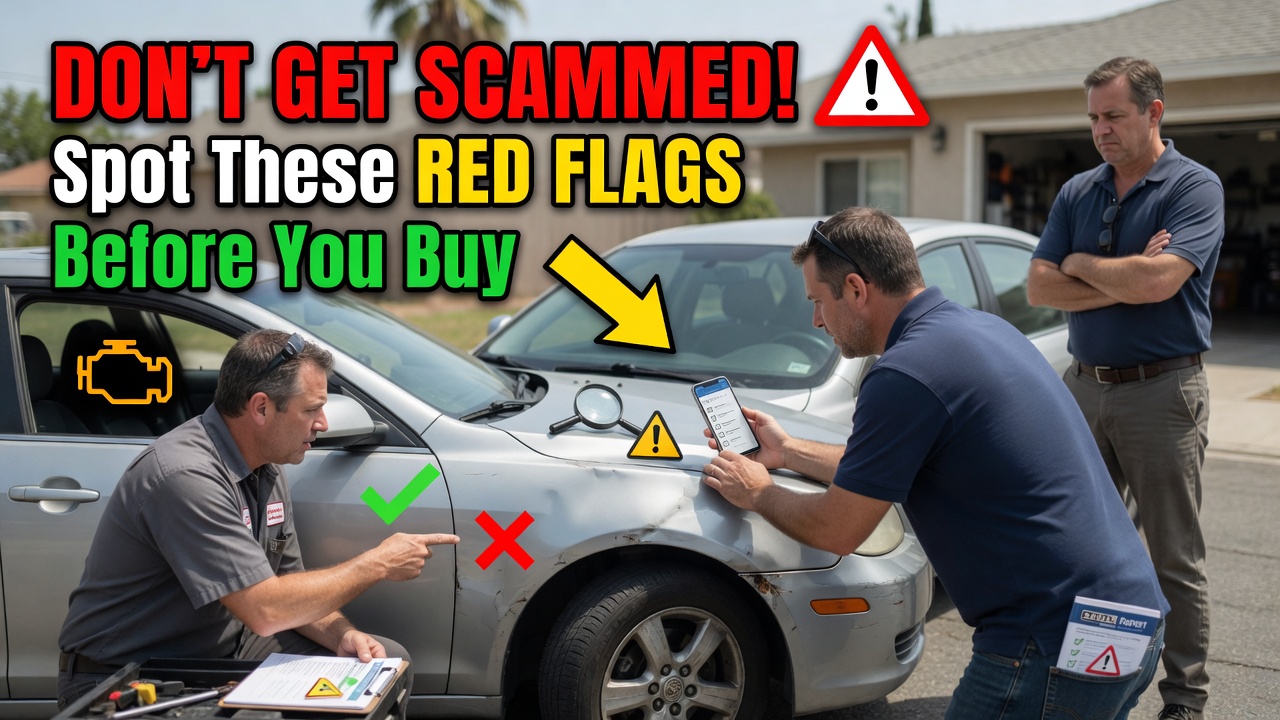
How to Avoid Used Car Scams: Red Flags Every Buyer Should Know
Most Scams Rely on One Thing: Skipping a Step
Nearly every used car scam depends on the buyer or seller skipping a verification step they’d normally take – meeting in person, checking a title, confirming a payment has actually cleared. Scammers count on urgency, distance, or an unusually good price to short-circuit that caution. Once you know the common patterns, they become much easier to spot before any money changes hands.
This guide covers the scams that show up most often in the used car market, both for buyers and sellers, along with the specific habits that reliably prevent them.
Table of Contents
- Odometer Rollback Fraud
- Curbstoning: Unlicensed Dealers Posing as Private Sellers
- Title Washing
- The “Too Good to Be True” Listing
- Fake Shipping and Escrow Scams
- Payment Fraud: Fake Checks and Reversed Transfers
- Scams That Target Sellers, Not Just Buyers
- How to Protect Yourself in Any Transaction
- Expert Tips
- Frequently Asked Questions
Odometer Rollback Fraud
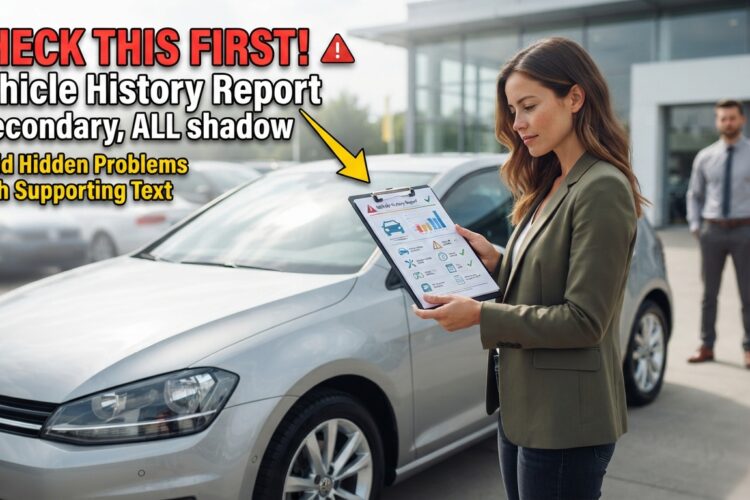
Rolling back an odometer artificially inflates a car’s perceived value by hiding its true mileage. It’s easier to spot than it used to be, since a proper vehicle history report typically shows recorded mileage at multiple past checkpoints, and inconsistencies – like a reading that decreases or jumps unnaturally – are a clear warning sign. Cross-checking the report against interior wear (a driver’s seat or steering wheel far more worn than the claimed mileage suggests) adds another layer of protection.
Curbstoning: Unlicensed Dealers Posing as Private Sellers
Curbstoning refers to unlicensed dealers who buy problem vehicles cheaply – often flood-damaged, wrecked, or high-mileage cars – and resell them repeatedly while posing as ordinary private sellers to avoid dealer disclosure obligations and warranty requirements. Warning signs include a seller with multiple different vehicles listed at once, reluctance to meet at a home address, or a seller whose name doesn’t match the title. Asking directly how long they’ve owned the car and requesting to see maintenance history tied to that ownership period can help expose this pattern.
Title Washing
Title washing involves moving a salvage or flood-damaged vehicle through a state or region with weaker branding disclosure laws in an attempt to obtain a “clean” title that hides its true history. A comprehensive vehicle history report that pulls data across multiple states or regions is one of the better defenses here, since brand history often still surfaces even after a title has technically been re-issued elsewhere.
The “Too Good to Be True” Listing
A price significantly below market value for the same year, mileage, and condition is one of the most reliable scam indicators in the entire used car market. Scammers use unrealistically low prices specifically to generate urgency and inquiries, often followed by a story about needing to sell quickly due to a move, deployment, or family emergency – a narrative designed to discourage an in-person meeting and inspection.
Fake Shipping and Escrow Scams
A common variant involves a “seller” who claims the car is located elsewhere and offers to ship it through a third-party escrow or shipping service, asking for payment upfront before you’ve seen the vehicle in person. These escrow and shipping services are typically fake, sometimes convincingly designed to look legitimate, and the vehicle never arrives. Any request to pay before seeing a car in person, particularly involving an unfamiliar third-party payment or shipping platform, should be treated as a serious red flag.
Payment Fraud: Fake Checks and Reversed Transfers
On the selling side, a common scam involves a buyer offering a cashier’s check for more than the asking price, asking the seller to refund the difference, then having the original check bounce after the refund has already been sent. Always verify a cashier’s check directly with the issuing bank before releasing a vehicle or refunding any amount, and be equally cautious of digital payment transfers that appear to clear quickly but can later be reversed or disputed.
Scams That Target Sellers, Not Just Buyers
Sellers face their own set of risks: buyers who request a test drive and never return, fraudulent payment methods, or requests for personal information beyond what’s reasonably needed for the sale. Meeting in public, verifying identification before a test drive, and confirming payment has genuinely cleared before handing over keys and title protects sellers just as much as buyers benefit from their own precautions.
How to Protect Yourself in Any Transaction
A few habits address the overwhelming majority of scams in this space: always meet in person before any money changes hands, verify the VIN and title match the seller’s identification, confirm payment has genuinely cleared through the issuing institution rather than trusting a confirmation screen or email, and treat any unusual urgency or an unusually good price as a reason to slow down rather than speed up.
Expert Tips
- Reverse image search listing photos – reused stock photos or images pulled from other listings are a strong sign of a fraudulent post.
- Insist on a video call or in-person viewing before sending any money for a vehicle located out of the area.
- Verify a cashier’s check by calling the issuing bank directly using a number you look up independently, not one provided by the buyer.
- If something about a deal feels engineered to rush you, that feeling is worth listening to rather than dismissing.
Frequently Asked Questions
How can I tell if a listing price is too good to be true?
Compare it against a proper valuation based on recent actual sales for that specific year, mileage, and condition. A price significantly below that range, without a clearly explained reason, is a warning sign.
Is it safe to buy a car I haven’t seen in person?
Generally not recommended, especially with an unfamiliar seller. If distance is unavoidable, arrange a live video walkthrough and, ideally, a local third-party inspection before sending any payment.
What is curbstoning?
It’s when an unlicensed dealer sells vehicles while posing as a private individual to avoid dealer disclosure and warranty obligations, often repeatedly reselling problem vehicles.
How do I verify a cashier’s check is real?
Call the issuing bank directly, using a phone number you look up independently rather than one provided by the buyer, and confirm the check has genuinely cleared before releasing the vehicle.
Can a vehicle history report catch every scam?
No single tool catches everything, but a comprehensive report combined with an in-person inspection and title verification addresses the vast majority of common scam patterns.
What should I do if I think I’m being scammed?
Stop the transaction immediately, avoid sending any further payment or information, and report the listing to the platform it appeared on as well as relevant local consumer protection authorities.
Are online marketplaces safer than classified ads?
They can offer additional verification tools and buyer protections, but no platform eliminates the need for your own due diligence on any individual listing.
What’s title washing?
It’s the practice of moving a salvage or damaged vehicle through jurisdictions with weaker disclosure rules to obtain a title that hides its true branded history.
Should I be worried about giving my ID to a buyer for a test drive?
As a seller, briefly verifying a buyer’s license before a test drive is a reasonable and common precaution, not something to be uncomfortable requesting.
What payment method is safest for a private car sale?
A cashier’s check verified directly with the issuing bank, or a digital transfer confirmed as fully and irreversibly cleared, are generally the safest options for both parties.
Summary
Most used car scams rely on skipping a verification step – meeting in person, checking the title, or confirming payment has actually cleared. Recognizing the common patterns, from odometer rollback to fake escrow schemes, makes them far easier to avoid before any money or vehicle changes hands.
Final Thoughts
Caution isn’t the same as distrust. The overwhelming majority of used car transactions are perfectly legitimate, and a few consistent verification habits protect you without making every interaction feel adversarial.
Shop with confidence on a platform built around verified listings. Browse used car listings on Car Hub, or create a free account to access additional buyer protection tools.