Vehicle History Reports Explained: What They Show and Why They Matter
Why a Clean Report Isn’t the Same as a Clean Car
Vehicle history reports have become such a standard part of car buying that many buyers treat a “clean” result as a green light to skip everything else. That’s a mistake, and an understandable one – the reports are genuinely useful, they just aren’t complete. They can only show what was formally reported to the databases they pull from, which means plenty of real damage and repair history simply never makes it in.
Understanding exactly what these reports do and don’t cover changes how you use them: as one strong input into your decision, not the entire decision itself.
Table of Contents
- What a Vehicle History Report Actually Contains
- Understanding the VIN
- Title Brands Explained
- How Accident History Is Reported
- Odometer Readings and Rollback Detection
- Ownership History and What It Reveals
- What These Reports Won’t Tell You
- How to Get a Vehicle History Report
- Expert Tips
- Common Mistakes
- Frequently Asked Questions
What a Vehicle History Report Actually Contains
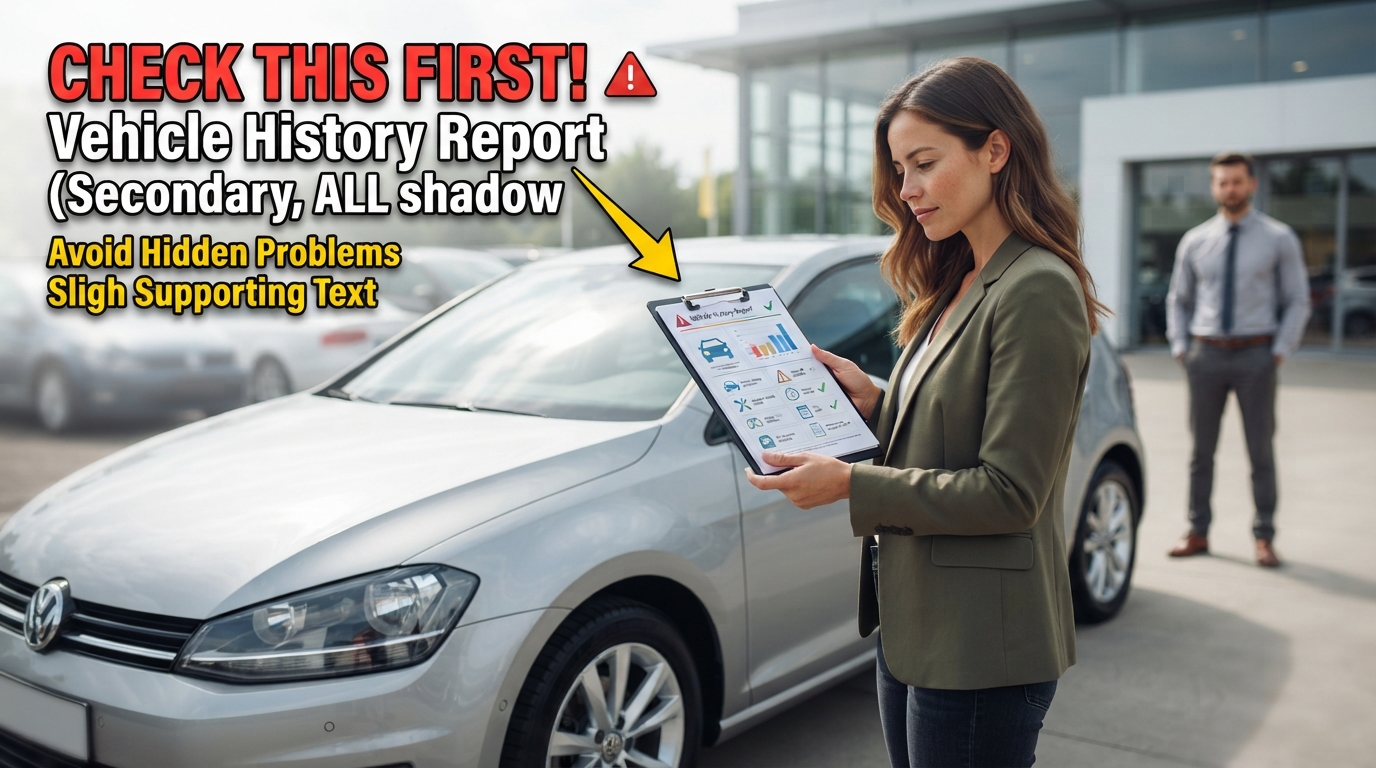
At its core, a vehicle history report aggregates data tied to a specific VIN from multiple sources: state title and registration records, insurance total-loss databases, salvage auctions, some repair and service facilities, and law enforcement records for stolen vehicles. The result is a timeline that typically covers title changes, reported accidents, odometer readings at various points, and sometimes service visits.
It’s worth remembering that this is a compilation, not a live audit of the vehicle itself. The report reflects whatever institutions chose to submit, when they submitted it, and how completely they described the event.
Understanding the VIN
The Vehicle Identification Number is a 17-character code unique to that specific car, encoding details like the manufacturer, model, engine type, and factory of origin, along with a unique serial sequence. Every history report, recall check, and title record is tied to this number, which is why verifying it matches across the dashboard, door jamb sticker, and title document is such an important early step – a mismatch can indicate a stolen vehicle with a swapped VIN plate, sometimes called a “VIN clone.”
Title Brands Explained
A title brand is a permanent flag applied by a state or authority when a vehicle meets certain criteria, and it follows the car for life, even across state lines and resales in most cases. Common brands include salvage (declared a total loss by an insurer), rebuilt or reconstructed (a salvage vehicle repaired and re-inspected for road use), flood damage, and lemon law buyback.
None of these automatically make a car unsafe or a bad purchase – a well-repaired rebuilt title vehicle can be perfectly reliable – but they should always come with a significantly reduced price and, ideally, documentation showing exactly what repairs were made and by whom.
Why Title Brands Get Missed
Title washing – moving a vehicle through a state with looser branding requirements to strip the brand – does happen, though it’s become harder as more states share data. This is another reason a full history report, which often catches brand history even across state title transfers, is more reliable than checking a single state’s current title alone.
How Accident History Is Reported
Accidents typically enter a vehicle history report through insurance claims, meaning any damage repaired without going through insurance – a common choice for minor damage to avoid a premium increase – usually won’t appear at all. This is exactly why a clean accident history section doesn’t mean the car has never been in a collision, only that no insurer filed a claim significant enough to be recorded.
When an accident does appear, look at the details provided: the severity classification, which areas of the car were affected, and whether airbags deployed. This context matters more than the simple fact that “an accident” is listed.
Odometer Readings and Rollback Detection
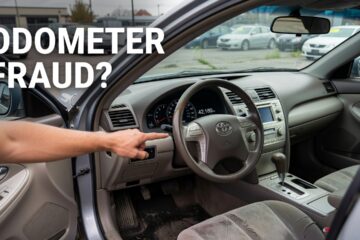
Reports typically show odometer readings recorded at various points – title transfers, registration renewals, inspections, or service visits. Comparing these over time should show a steady, plausible increase. A reading that decreases, jumps unrealistically, or shows long gaps with no updates at all can indicate tampering, sometimes called odometer rollback, which remains a real and prosecutable form of fraud in most jurisdictions.
Ownership History and What It Reveals
The number of previous owners and how long each kept the car can be informative context, though it needs interpretation rather than a simple “more owners equals worse” assumption. A car that changed hands quickly multiple times might have had an underlying issue several owners each discovered and offloaded, or it might simply reflect normal patterns like lease returns or rental fleet sales, which are common and not inherently concerning.
What These Reports Won’t Tell You
A vehicle history report cannot tell you the current mechanical condition of the car, whether recent maintenance was actually performed on schedule, or about damage that was never reported to an insurer or a DMV. It’s a records check, not a physical examination, which is exactly why it should always be paired with our vehicle inspection checklist and, ideally, an independent mechanic’s evaluation before you commit to buying.
How to Get a Vehicle History Report
You’ll need the full 17-character VIN, which you can get from the seller, the listing itself, or by viewing the vehicle in person. Several commercial services provide these reports for a fee, and some government resources offer free, limited checks focused specifically on title brands and safety recalls, such as the NHTSA recall lookup tool in the United States, which is free and worth using regardless of what a paid report shows.
Expert Tips
- Pull the report yourself using the VIN rather than relying solely on one the seller provides, since it removes any question about which report is current and complete.
- Cross-check the report’s mileage entries against physical evidence like old inspection stickers, service invoices, or maintenance apps tied to the vehicle.
- Look at the gap between the report’s date and today – a report pulled months before your viewing may miss recent events entirely.
- Treat a report as a conversation starter with the seller, not a final verdict – ask directly about anything unusual you see.
Common Mistakes
- Treating a clean report as proof of a problem-free car, when it only reflects what was formally reported.
- Skipping the physical inspection because the report looked fine.
- Not checking the report’s pull date against how recently the seller acquired or has been trying to sell the car.
- Ignoring context around a reported accident, like severity and affected area, and reacting only to the fact one occurred at all.
- Failing to verify the VIN matches across the dashboard, door jamb, and title before relying on any report.
Frequently Asked Questions
Do vehicle history reports cover every accident?
No. They only include accidents reported to insurers or law enforcement, so damage repaired out of pocket often won’t appear.
What does a salvage title mean?
It means an insurer declared the vehicle a total loss at some point, usually because repair costs exceeded a set percentage of its value. A salvage vehicle can later become a rebuilt title after repairs and inspection.
Can title brands be removed or hidden?
Some attempts at “title washing” happen by moving a vehicle between states with different rules, but improved data sharing has made this harder, and a full history report often still catches it.
Is a free vehicle history check as reliable as a paid one?
Free government tools are excellent for recalls and often title brand checks, but paid commercial reports typically aggregate more data sources, including accident and service history.
How accurate are odometer readings in these reports?
They’re generally accurate as recorded at each checkpoint, but gaps between checkpoints mean tampering could theoretically occur in between and not show up until the next recorded reading.
Should I still get an inspection if the report is clean?
Yes, always. A report and a physical inspection check for different things entirely, and skipping either one leaves a real gap in your due diligence.
What information do I need to pull a report?
Just the vehicle’s 17-character VIN, which should be visible on the dashboard, door jamb sticker, and title document.
Can two vehicle history reports from different providers disagree?
Yes, since providers pull from overlapping but not identical data sources. When in doubt, favor reports that show more comprehensive sourcing.
Does a rebuilt title always mean a bad car?
Not necessarily, but it should always come with a lower price and, ideally, documentation of exactly what repairs were performed and by whom.
How often should I re-check a vehicle history report during a purchase?
If time passes between your first check and the actual purchase, it’s worth pulling a fresh report to catch anything reported in the interim.
Summary
A vehicle history report is a powerful screening tool built from title records, insurance claims, and odometer checkpoints, but it only reflects what was formally reported. Treat it as one part of your due diligence, not a replacement for a physical inspection.
Final Thoughts
The buyers who get the most value from history reports are the ones who read them critically, cross-reference the details, and still show up with a flashlight and a mechanic. The report tells you where to look closer, not where to stop looking.
Considering a specific vehicle? Browse listings with available history details on Car Hub, or create a free account to save vehicles you’re comparing.