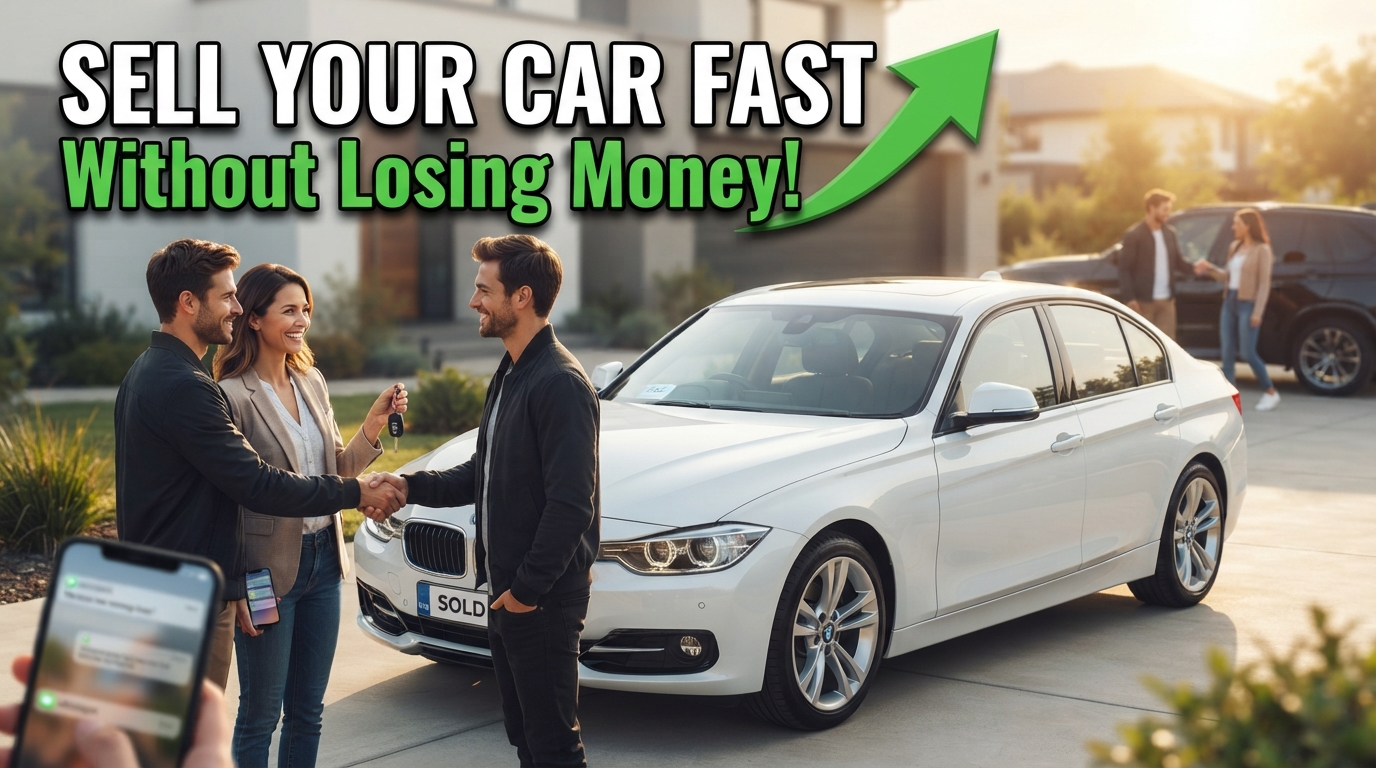
How to Sell Your Used Car Fast (Without Losing Money)
The Real Reason Some Used Cars Sit Unsold for Months
Walk through any classifieds site and you’ll notice the same pattern: some listings get a dozen serious inquiries in the first day, while nearly identical cars sit untouched for weeks. The difference is rarely the car itself – it’s almost always the listing. Overpriced ads get ignored by algorithms and buyers alike. Vague descriptions make cautious buyers move on to the next option. Bad photos signal, fairly or not, that the seller has something to hide.
Selling a car fast and selling it for a fair price aren’t actually in conflict, despite what most advice assumes. The sellers who do both well treat the sale like a small business transaction rather than a favor they’re doing a stranger. This guide covers exactly how to do that, from pricing through to handing over the keys.
Table of Contents
- Pricing It Right the First Time
- Preparing the Car Before You List It
- Photos That Actually Get Clicks
- Writing a Listing People Trust
- Where to List for the Best Results
- Handling Inquiries and Screening Buyers
- Managing Showings and Test Drives Safely
- Closing the Sale and Transferring Ownership
- Expert Tips
- Common Mistakes
- Frequently Asked Questions
Pricing It Right the First Time
The single biggest factor in how fast your car sells is whether the first price you post is close to what buyers are actually willing to pay. Sellers often anchor to what they paid, what they still owe, or what a friend’s similar car sold for years ago – none of which reflects today’s market. Use a proper car valuation guide that pulls from recent comparable sales, not just competing asking prices, since asking prices are frequently inflated and don’t reflect what buyers actually pay.
It’s tempting to list a little high “to leave room for negotiation.” In practice, this usually backfires – buyers today compare listings across multiple sites within minutes, and a car priced 10% above the market simply gets skipped over in favor of a fairly priced alternative. If you want negotiating room, price at market value and let a small, expected discount happen naturally during the conversation rather than starting inflated.
Account for Condition Honestly
Two identical model years can be worth meaningfully different amounts depending on mileage, accident history, cosmetic condition, and how complete the maintenance records are. Be honest with yourself about where your car actually sits compared to a pristine example, since buyers researching the same comparables will notice the gap immediately.
Preparing the Car Before You List It
A thorough detail – inside and out – is one of the highest-return investments you can make before selling. It costs relatively little and consistently changes how buyers perceive the car’s overall condition, sometimes shifting perception of mechanical health along with cosmetic appeal, even though the two aren’t actually related.
Beyond cleaning, gather everything that builds buyer confidence: service records, the original owner’s manual, spare keys, and any receipts for recent repairs or replacement parts. A car with a visible paper trail sells faster because it answers the exact questions a cautious buyer would otherwise have to ask.
Should You Fix Problems Before Selling?
Minor, inexpensive fixes – a burnt-out bulb, a cracked wiper blade, a low tire – are almost always worth handling before you list, since they cost little but raise questions in a buyer’s mind out of proportion to their actual significance. Larger mechanical issues are more of a judgment call: sometimes it’s better to disclose the issue and price accordingly than to sink money into a repair you won’t recoup at sale.
Photos That Actually Get Clicks
Buyers scroll past most listings in under two seconds, and photos are what stop the scroll. Shoot in daylight, never at night under artificial lighting, and clean the car first – dust and clutter show up far more in photos than in person. Cover every angle: front, rear, both sides, all four wheels, the full interior, the trunk, the engine bay, and the odometer reading.
Including the odometer photo specifically builds trust, since it shows you’re not hiding the true mileage. Listings with ten or more clear photos consistently outperform listings with three or four, simply because they remove the guesswork that makes cautious buyers hesitate to reach out at all.
Writing a Listing People Trust
Vague listings (“runs great, must sell”) read as evasive even when they’re not, because they leave buyers filling in the blanks with worst-case assumptions. Specific listings do the opposite: mention the exact trim, mileage, notable options, any known issues, recent maintenance, and the reason for selling. Specificity signals honesty, and honesty is what gets a buyer to actually pick up the phone.
What to Include in Every Listing
Year, make, model, and trim level; exact mileage; transmission type; accident and title history; a recent maintenance summary (oil changes, tires, brakes); and clear, current photos. If you have a vehicle history report already pulled, mentioning that upfront – and offering to share it – removes one of the biggest friction points in the entire sale.
Where to List for the Best Results
Different platforms attract different buyers. Marketplaces designed specifically around vehicles tend to attract more serious, pre-qualified buyers than general classifieds, since visitors arrive already searching with intent to purchase rather than browsing casually. Listing your vehicle directly through Car Hub’s sell your car tool puts it in front of buyers who are actively comparing similar vehicles, which tends to shorten the time between listing and a serious offer.
Cross-posting to more than one platform can widen your reach, but keep pricing and details consistent everywhere. Buyers do compare, and a mismatch between listings raises exactly the kind of doubt you’re trying to avoid.
Handling Inquiries and Screening Buyers
Not every inquiry deserves the same response effort. Messages that ask specific questions about the car – mileage, service history, a particular feature – usually come from serious buyers. Generic messages like “still available? lowest price?” often come from people mass-messaging dozens of listings and rarely convert into an actual sale.
It’s reasonable, and increasingly expected, to ask a potential buyer a few basic questions before agreeing to a showing: are they financing or paying outright, do they need a test drive during a specific window, and do they have a valid license. This isn’t about being difficult – it filters out time-wasters and protects you from unnecessary risk.
Managing Showings and Test Drives Safely
Meet in a public, well-lit location whenever possible – a busy parking lot or a police station’s designated exchange zone if your area has one. Bring a friend if you can, and always ride along on the test drive rather than handing over keys to a stranger and waiting. Photograph the buyer’s driver’s license before the test drive begins; most legitimate buyers won’t object, and those who do are worth being cautious about.
Trust your instincts during the meeting. If something feels off – pressure to skip the test drive, reluctance to show ID, or an unusually rushed timeline – it’s fine to end the interaction. A single lost sale is a far smaller risk than a serious safety or fraud problem.
Closing the Sale and Transferring Ownership
Once you’ve agreed on a price, insist on a payment method you can verify before handing over the keys – a cashier’s check confirmed with the issuing bank, a verified digital transfer that has actually cleared, or cash counted in a secure setting. Never accept a personal check or release the vehicle before funds have genuinely settled, since reversible payment methods are a common vector for scams.
Complete the title transfer according to your local requirements, provide a bill of sale with both parties’ signatures, and remove your insurance and registration once the transfer is confirmed. Keep a copy of everything – the signed title, the bill of sale, and proof of the completed payment – for your own records.
Expert Tips
- List on a weekend morning when browsing traffic tends to peak, rather than late at night when your listing gets buried before most buyers ever see it.
- Get a pre-sale inspection done yourself and share the results with buyers – it preempts objections and often justifies a firmer price.
- Respond to messages within an hour where possible. Serious buyers often message multiple sellers at once and go with whoever answers first.
- If a buyer negotiates hard on price, offer to hold firm but include a small extra – a full tank of gas or a new set of floor mats – rather than eroding your bottom line.
Common Mistakes Sellers Make
- Overpricing based on emotional attachment rather than actual comparable sales data.
- Using old or poorly lit photos that undersell the car’s real condition.
- Being vague about known issues, which erodes trust the moment a buyer’s inspection reveals them anyway.
- Accepting unverified payment and releasing the car before funds actually clear.
- Skipping the paperwork and failing to formally transfer liability, which can leave the seller responsible for tickets or accidents after the sale.
Frequently Asked Questions
How do I find out what my car is really worth?
Use a valuation tool based on recent actual sales for your exact year, mileage, and condition rather than relying on asking prices from competing listings.
Should I sell to a dealer or a private buyer?
Dealers offer speed and convenience but typically pay less, since they need margin to resell. Private buyers usually pay more but require more of your time and effort to manage.
Is it safe to accept a personal check?
It’s risky, since checks can bounce after you’ve already handed over the car. A verified cashier’s check confirmed with the bank or a cleared digital payment is safer.
Do I need a vehicle history report to sell my car?
It’s not always required, but having one ready builds significant buyer trust and can speed up the sale considerably.
What if my car isn’t fully paid off yet?
You can still sell it, but you’ll need to coordinate payoff with your lender, often meeting the buyer at your bank or using an escrow-style service to handle the lien release properly.
How many photos should I include in my listing?
Aim for at least ten to fifteen, covering every exterior angle, the full interior, the engine bay, and the odometer.
Should I disclose a past accident even if it was repaired well?
Yes. Vehicle history reports typically show it anyway, and disclosing upfront builds trust rather than risking a buyer feeling deceived later.
How long does it typically take to sell a used car privately?
With accurate pricing and a complete listing, many sellers get serious inquiries within days, though it varies by vehicle type, season, and local demand.
Can I sell a car with a check engine light on?
Yes, but you must disclose it. Some buyers will still purchase at an adjusted price, particularly if the issue is diagnosed and the repair cost is known.
What paperwork do I need as a seller?
Typically the signed title, a bill of sale, and any lien release documentation if applicable. Requirements vary by region, so check your local motor vehicle authority.
Summary
Selling a used car quickly and for a fair price comes down to accurate pricing, honest and complete information, strong photos, and a safe, verified closing process. Sellers who treat the listing like a real transaction – not a casual ad – consistently sell faster and for more.
Final Thoughts
The car doesn’t sell itself – the listing does. Every extra bit of honesty and detail you put in upfront removes a reason for a buyer to hesitate, and hesitation is what turns a one-week sale into a one-month sale.
Ready to list? Start your free listing on Car Hub today, or create an account first to manage inquiries and track offers in one place.